Your Money
Transfer Reference: What It Is and Where to Find It
In most cases, the reference number in a transfer is a unique code that varies depending on the bank or system used.
Sofia SantosNovember 17, 2026
Brazil’s currency is the real (BRL, R$), in use since 1994. Coins: 5, 10, 25 and 50 centavos and 1 real (1 centavo is still valid). Banknotes: R$ 2, 5, 10, 20, 50, 100 and 200. On Nov 12, 2026, 1 US dollar was about 5.57 reais.
Traveling to Brazil or getting paid in reais? Here are the coins and banknotes of the Brazilian real, how much it is worth today and where to use cash.
Brazil’s official currency is the Brazilian real (code BRL, symbol R$). It has been in use since July 1, 1994, when the Real Plan stabilized the economy after decades of hyperinflation. It is issued and regulated by the Banco Central do Brasil. One real is divided into 100 centavos.
The rate changes every day. As a reference, on November 12, 2026 (ExchangeRate-API):
Currency | Equals 1 real (BRL) |
US dollar (USD) | 0.18 USD (1 USD ≈ 5.57 BRL) |
Euro (EUR) | 0.16 EUR |
Mexican peso (MXN) | 3.34 MXN |
Colombian peso (COP) | 594 COP |
Argentine peso (ARS) | 278 ARS |
At the November 12, 2026 rate:
Amount | Brazilian reais |
10 US dollars | R$ 56 |
100 US dollars | R$ 557 |
1,000 US dollars | R$ 5,573 |
1,000 Mexican pesos | R$ 299 |
Exchange offices and cards apply their own rate and fees, so the final amount is usually lower.
1 centavo. Featuring Pedro Álvares Cabral. No longer minted since 2004, but still legal tender.
5 centavos. Featuring Tiradentes.
10 centavos. Featuring Pedro I.
25 centavos. Featuring Deodoro da Fonseca.
50 centavos. Featuring the Baron of Rio Branco.
1 real. Bimetallic (silver center, gold ring), featuring the Effigy of the Republic.
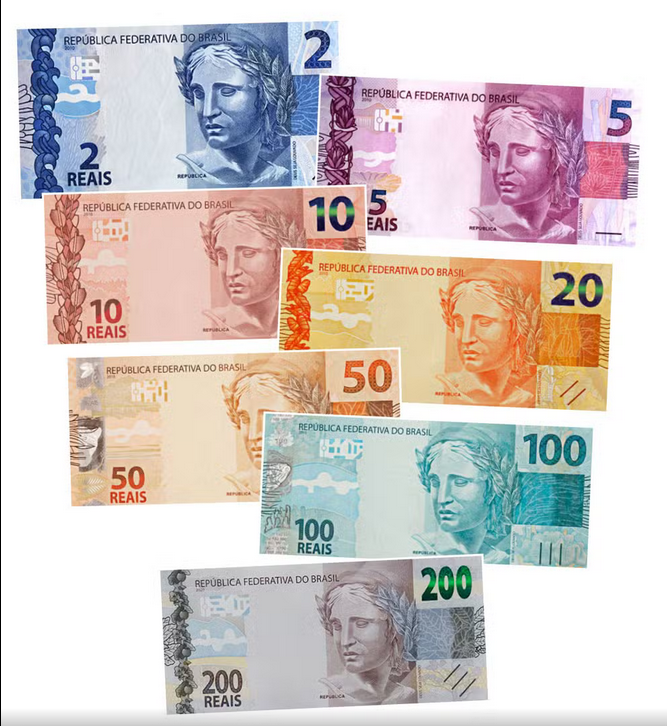
The second family of real banknotes includes R$ 2, R$ 5, R$ 10, R$ 20, R$ 50, R$ 100 and R$ 200 (the last one launched in 2020). Each shows an animal from Brazil’s fauna, such as the turtle on the R$ 2 note or the maned wolf on the R$ 200.
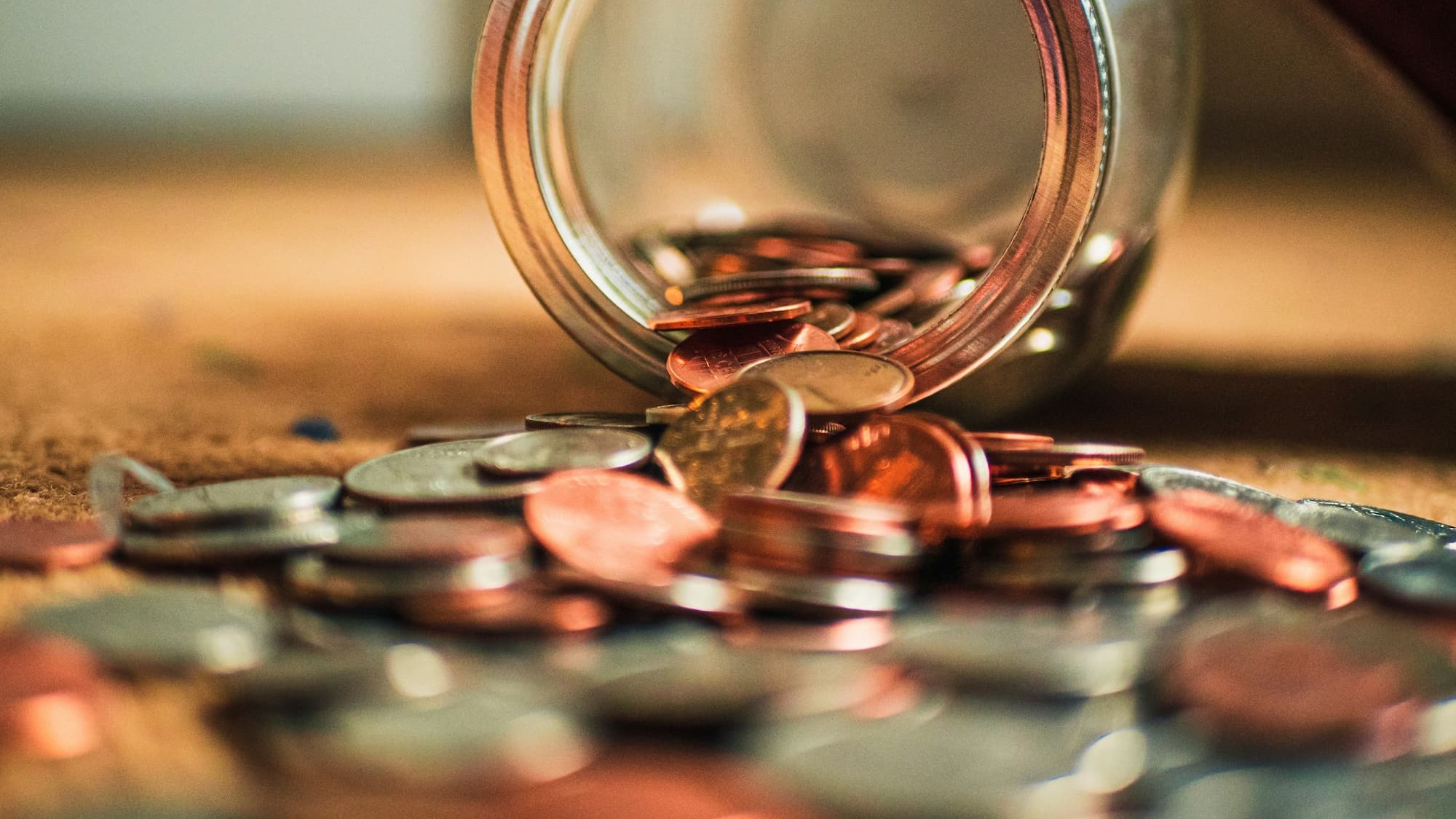
1 to 25 centavo coins: still valid, but rarely used in big cities.
50 centavos and 1 real: the most used for change in supermarkets, pharmacies and transport.
Banknotes: handy at street markets and small shops.
Digital payments: in Brazil almost everything is paid by card or with Pix, the Central Bank’s instant payment system.
In colonial times the Portuguese real (plural réis) circulated. In 1942 the cruzeiro replaced it, and 20th-century inflation brought several more currencies: cruzado, cruzado novo, the cruzeiro again and the cruzeiro real. Today’s real arrived in 1994. Brazil has also issued commemorative coins, such as those for the Rio 2016 Olympics, which are legal tender but usually kept as collectibles.
To pay by card, ARQ offers a card: a secured credit card backed by the balance in your ARQ account, accepted wherever Mastercard is.
The Brazilian real (BRL), symbol R$. It is divided into 100 centavos and has circulated since 1994.
On November 12, 2026, 1 US dollar was worth about 5.57 reais. Check the day’s rate before you travel.
Bring a little. Most businesses in Brazil accept cards; cash is mainly useful at street markets, beaches and small shops.
Sources:
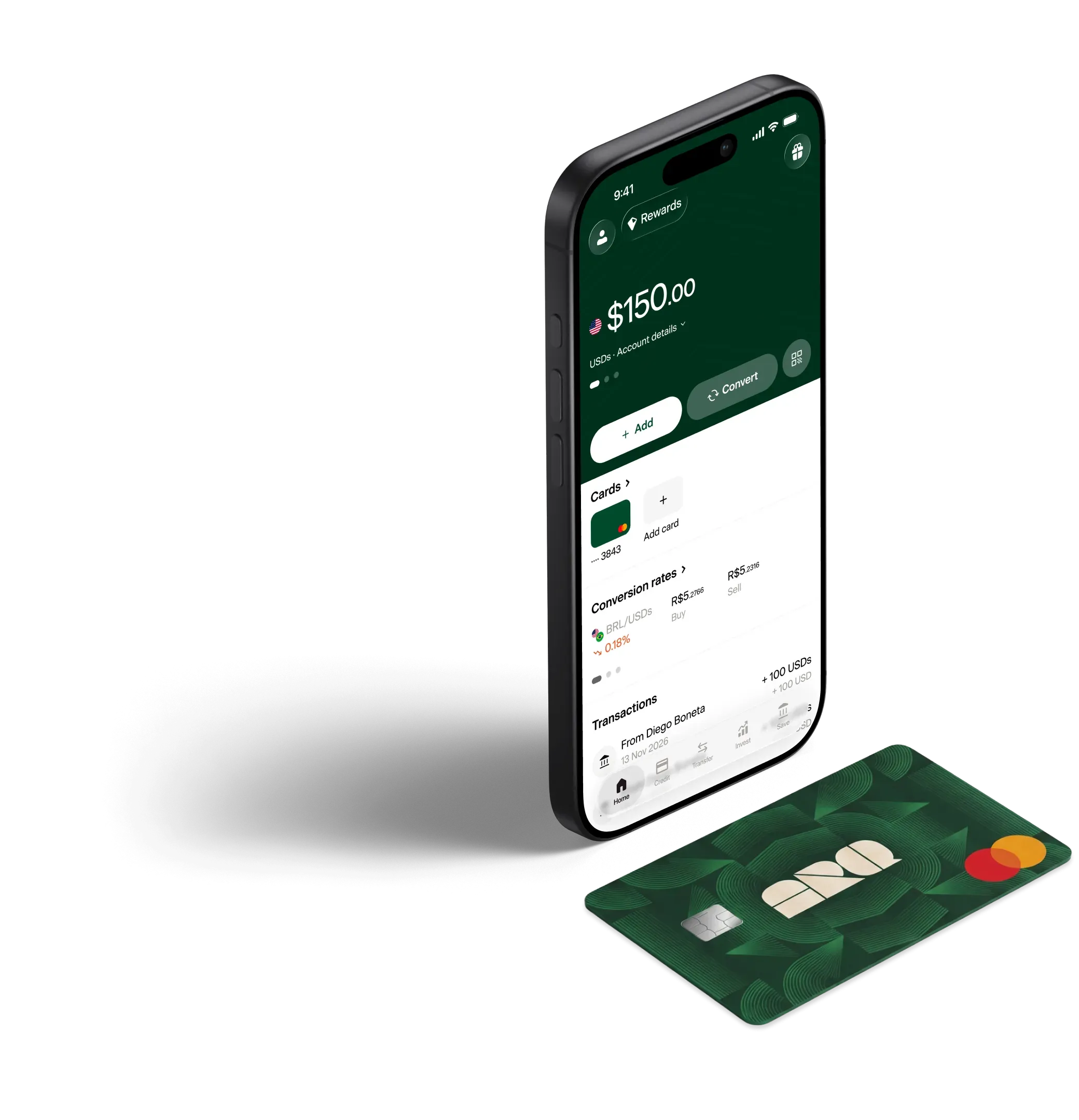
Convert reais to digital dollars or digital euros in seconds, at real market rates. Without hidden fees.
In most cases, the reference number in a transfer is a unique code that varies depending on the bank or system used.

In this guide we explain what IBAN and BIC/SWIFT codes are, what they are used for and the importance of them for freelancers
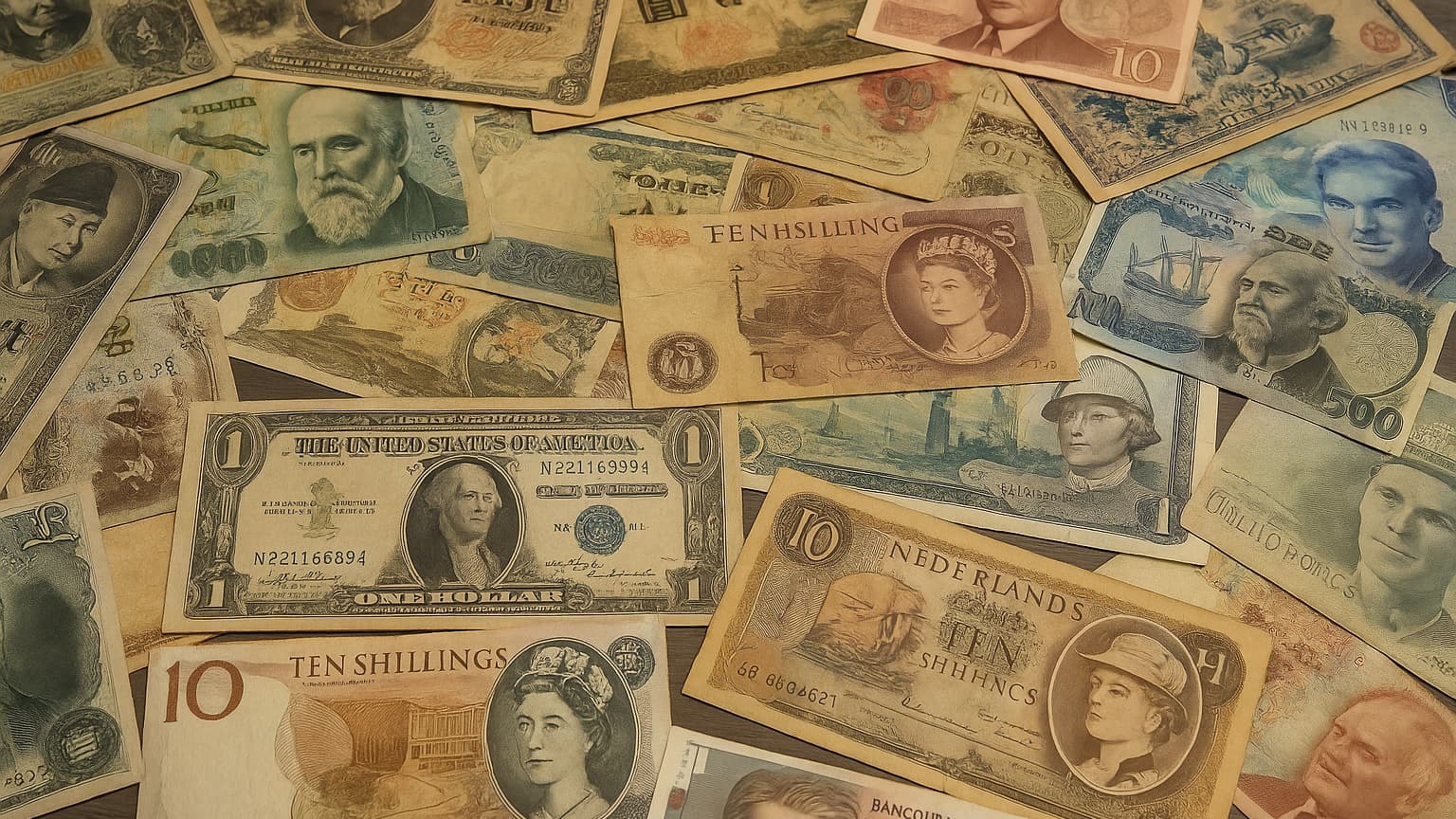
Paper money is fiat currency in banknotes. Its features, what it is made of, who issues it in Mexico, Argentina, Colombia and Brazil, and its history.
Scan the code and join ARQ.
2 million people around the world already manage their finances with ARQ.