Your Money
Transfer Reference: What It Is and Where to Find It
In most cases, the reference number in a transfer is a unique code that varies depending on the bank or system used.
Sofia SantosNovember 17, 2026

ARQ charges a fixed 3 USDs fee per international transfer sent or received. Revolut, which opened in Mexico in January 2026, charges fees that depend on plan, amount and destination, shown in the app before you confirm.
ARQ and Revolut are two digital finance apps widely used by freelancers and people who send or receive money abroad.
Here we compare them point by point: fees, cards, security and apps, so you can choose the one that suits you best.
ARQ is a global financial platform founded by former Revolut executives. It launched in Mexico in 2021 as DolarApp, now operates in Mexico, Brazil, Argentina and Colombia, and has more than 2 million customers in Latin America.
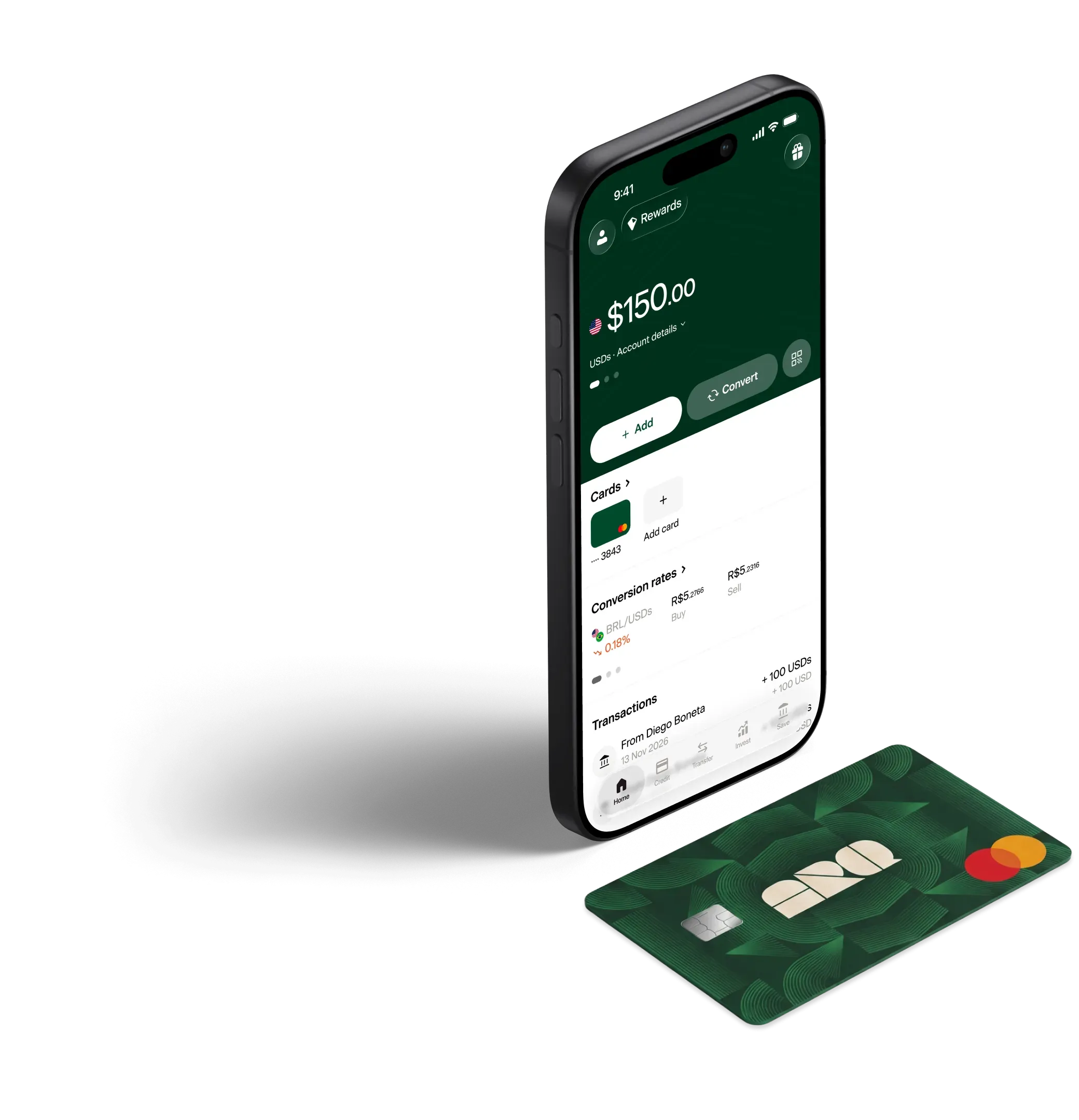
With ARQ you can hold USDs and EURc, receive payments with US and European account details, send money abroad and pay with a virtual and physical Mastercard.
Revolut was founded in 2015 in the UK and offers multi-currency accounts, cards, international transfers, investing and crypto in dozens of countries.
In Mexico it opened to the public on January 27, 2026 as Revolut Bank, with a full CNBV banking license. According to its help center, the Standard plan has no monthly fee, lets you exchange pesos into 30+ currencies in the app and offers up to 2% annual interest, which may vary with the balance.
With ARQ you receive payments with US account details (routing and account number), for example from international companies hiring remotely. The fee is fixed: 3 USDs per international transfer sent or received, whatever the amount.
With Revolut, exchange and transfer fees depend on your plan, the amount and the destination, and the app shows them before you confirm. Revolut doesn't publish a Mexico fee table outside the app, so the safest approach is to simulate the transfer in both apps and compare what you receive.
Both work through a mobile app: you sign up, verify your identity with valid documents and do everything online.
Service | ARQ | Revolut |
Virtual card | Yes | Yes |
Physical card | Yes | Yes |
Euro balance | Yes (EURc) | Yes |
Crypto | No | Yes |
International transfer fee | Fixed 3 USDs | Depends on plan, amount and destination (shown in the app) |
ARQ's main advantage is a fixed, easy-to-calculate fee for sending and receiving money abroad. With ARQ Premium you get extra benefits such as cashback and fee-free ATM withdrawals up to a monthly amount.
Revolut offers several subscription plans, investing and crypto, with different conditions and fees on each plan.
ARQ protects accounts with two-factor authentication and encryption, and online payments with 3D Secure. Revolut uses advanced encryption, biometric options and 24/7 fraud monitoring. With either app, turn on every security option available.
ARQ card | Revolut card | |
Network | Mastercard | Visa or Mastercard |
ATM withdrawals | 1% fee; with Premium, up to 500 USDs a month free | Depends on the plan (check the app) |
Cashback | 1% with ARQ Premium | Depends on the plan |
ARQ's virtual card also works for shopping at top US online stores.
In the ARQ app you see the exchange rate before converting, your balance and activity, and you can split payments and create travel groups. It is rated 4.7/5 on the App Store and 4.6/5 on Google Play. Revolut's app adds investing, crypto and several subscription plans.
If you want to receive payments from the US and Europe, hold USDs or EURc and pay a fixed, predictable fee, ARQ is a simple option that also helps with your freelance accounting. If you're interested in crypto or an ecosystem with many plans, Revolut may fit better. Either way, compare the total cost of your transfer in both apps before deciding.
Information updated October 30, 2026. Fees may change: confirm them in each app.
Convert reais to digital dollars or digital euros in seconds, at real market rates. Without hidden fees.
In most cases, the reference number in a transfer is a unique code that varies depending on the bank or system used.

In this guide we explain what IBAN and BIC/SWIFT codes are, what they are used for and the importance of them for freelancers

Paper money is fiat currency in banknotes. Its features, what it is made of, who issues it in Mexico, Argentina, Colombia and Brazil, and its history.
Scan the code and join ARQ.
2 million people around the world already manage their finances with ARQ.