Your Money
What is Economic Development in Colombia?
Is Colombia’s economic development really advancing? Uncover its impact, challenges, and future prospects. Prepare for 2026!
Felipe Quintero GómezNovember 16, 2026

You can check your SAT tax debts in Mi Portal (Online Services > Tax debts) or in your Tax Mailbox (Buzón Tributario). If a debt appears, confirm the concept and date, then generate the payment reference (línea de captura) to pay.
Anyone engaged in economic activities and registered in the Federal Taxpayer Registry (RFC) has tax obligations to fulfill. But a single omission, delay, or error can be enough to receive fines or debts from the SAT.
But how can I know if I have fines or debts with the SAT?
In this practical guide, we explain how to find out and what to do if you are issued a fine or tax debt. We also offer tips to avoid them and keep your record clean.
They are pending payments that a taxpayer (whether an individual or a legal entity) may accumulate when failing to comply with a tax obligation.
Fines or debts with the SAT can arise for various reasons, for example:
Filing your annual tax return late.
Not keeping proper accounting records.
Issuing an invoice with errors.
It can also be considered a debt if you did not pay taxes on time, and this is compounded with surcharges and adjustments. It doesn’t matter if the error was intentional or not—the SAT can impose a fine if it detects that something is wrong.
A common question is: how can I know if I have fines or debts with the SAT?
One option is to call 55 627 22 728 and request information about your tax situation. But if you are a freelancer, entrepreneur, or business owner with an RFC, you can find out directly through the SAT.
Another option is to check your Tax Mailbox, where the SAT sends notices related to debts.

1. Log in to the SAT. Go to www.sat.gob.mx and click on “RFC Procedures”.
2. Access Mi Portal. In the upper right corner, click “My Portal” and log in with your RFC and password or e.firma.
3. Enter the Tax Debts section. Go to the “Internet Services” menu, select “Tax Debts” or “Check your tax information.”
4. Verify your tax status. The system will show you if you have any pending debt, including the amount, date, type of fine, and status.
If you are not registered in the RFC, you can still find out if you have fines or debts with the SAT. However, you cannot do it online—only in person or by phone.
The first thing you should do is verify that the information is correct—that is, if the fine or debt truly applies to you, and what the amount, concept, and date are. Once you confirm these details, follow these steps:
1. Log in to My Portal on the SAT website with your RFC and password.
2. Go to Internet Services > Service or requests > Request.
3. Go to the “Request tax credit payment line” option. There you must provide details such as:
Subject: Request for FCF with payment line.
Description: specifying the documents related to the tax credits you want to review.
You must also attach PDF files that support your request.
4. Submit the request. Once submitted, you will receive a tracking number (folio) that you should save to check for a response later.
5. Make the payment. SAT fines or debts can be paid immediately via bank transfer or at an authorized bank. You can also pay in installments, but this usually requires an initial payment of 20% of the total.
6. Verify your status. Return a few days later to check if your tax status has been updated.

Once the SAT notifies you about the fine or debt, you have 30 days to pay. This takes effect the day after you are notified.
In 2026, the SAT launched the Programa de Regularización Fiscal 2026 to benefit individuals and legal entities with old tax debts.
The main benefit is a 100% reduction in fines, surcharges, and enforcement expenses. However, it is not available to everyone—there are requirements to meet.
Key aspects of the program include:
The deadline to apply closed on October 31, 2026. If you already applied and chose a single payment, you have until December 31, 2026 to pay.
Applies to fines, surcharges, or enforcement expenses derived from final tax credits determined by the SAT or ANAM.
Available for tax debts generated in fiscal year 2024 or earlier.
You may qualify as long as you have not received general tax forgiveness in the past and do not have serious legal issues with the SAT.
Deadlines vary depending on your specific case.
Check the details of the 2026 Tax Regularization Program for more information.
No freelancer or business owner wants to accumulate fines or debts with the SAT, right?
To maintain a healthy tax situation and reduce the risk of sanctions, we recommend:
Logging in to the SAT regularly to check your current status.
Avoiding delays in filing your monthly, annual, or informative returns—even if you had no income.
If possible, paying your tax obligations in advance.
Using the current CFDI format to issue invoices correctly and checking that the details are accurate.
Verifying that your bank income matches your tax returns, as in some cases, fines are applied for transfers.
If you change your address, economic activity, or tax regime, inform the SAT by updating your RFC details.
Checking your Tax Mailbox frequently, as the SAT uses it for important notifications.
Keeping receipts, invoices, bank statements, and any document that supports your tax operations.
Seeking professional advice from an accountant to stay up to date with your obligations and avoid mistakes.
Ensuring your SAT digital certificates are valid and in good condition.
If they are expired or revoked, you could have trouble meeting your obligations. In case of loss, don’t worry—there is a process to recover SAT certificates.
Digital tools are key to avoiding penalties or fines for tax returns and payments. They also save time and can be configured to send you notifications through various channels.
Here are some advantages:
You can schedule automatic alerts for each tax obligation.
They help you meet the deadlines set by the tax authority.
They allow you to activate notifications to be repeated automatically (monthly, quarterly, or annually).
You don't have to worry about remembering due dates.
One platform at your fingertips is Google Calendar, but you also have more robust alternatives, such as Trello and Asana. All of these are possible solutions for scheduling alerts far enough in advance to avoid fines or debts from the SAT.
Additional tip: activate reminder alerts at least 5 days before the deadline.
Finding out if you have any fines or debts with the SAT is an essential step in keeping your tax situation in order. It is also a responsibility that is useful in the event of a possible cabinet review.
So, if you want to protect your finances, make sure to take action before the SAT steps in.
ARQ lets you receive payments from the US and Europe with your own account details, in USDs or EURc, and convert them to your local currency when you want, seeing the cost before you confirm. Keep in mind that, in some cases, you must report income received from abroad to the SAT.
If you do not pay within 30 days, additional surcharges or fines may be generated. You could even face asset seizure or a tax review process, such as an audit or desk review.
Yes. The SAT allows you to file a clarification directly through its portal. There are several ways to do this, but you must be sure you have the necessary supporting evidence. It’s best to seek legal advice.
The SAT usually notifies you of fines or debts through your Tax Mailbox. However, it is also possible for them to send a notice to the email address linked to your SAT account.
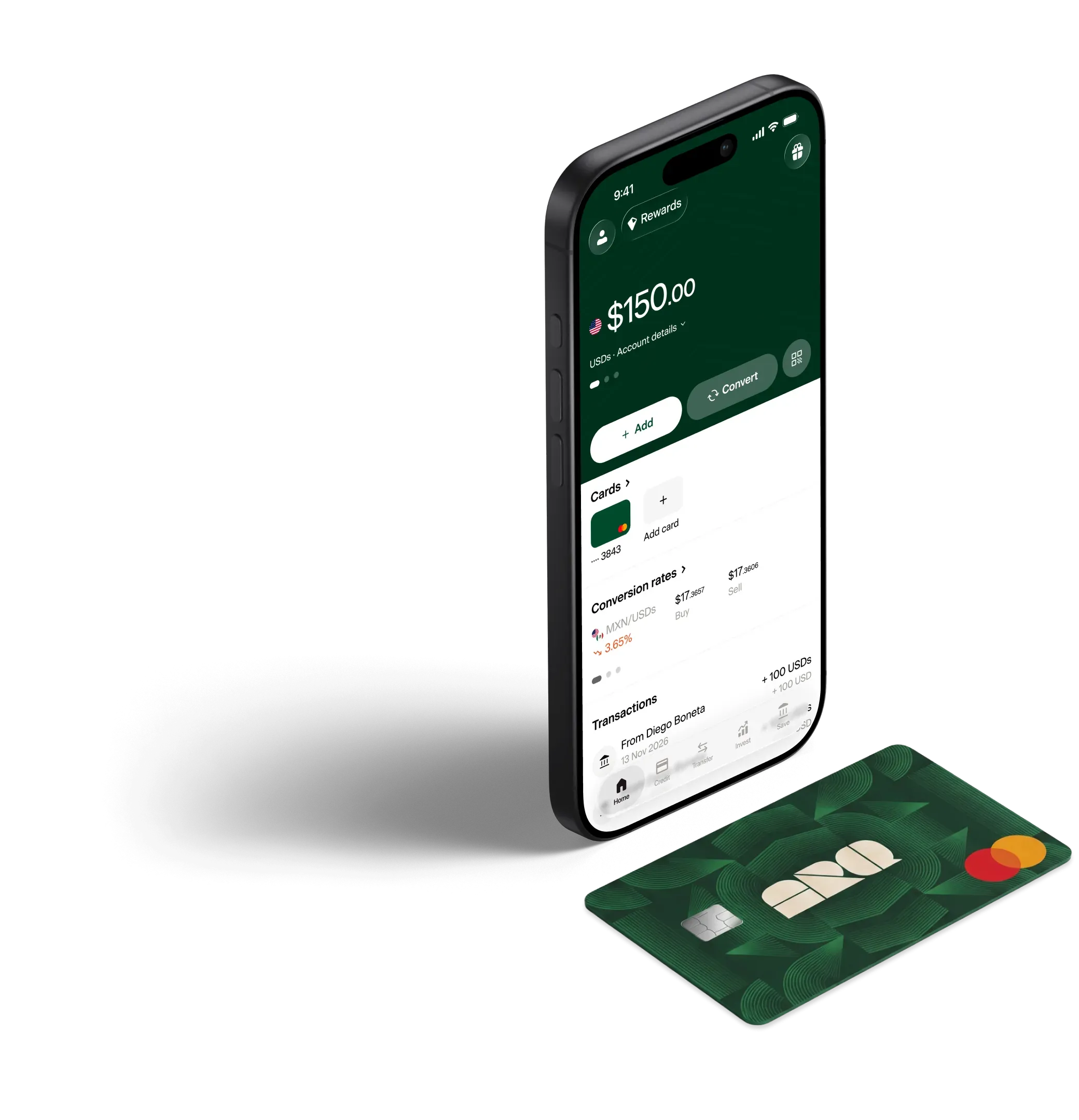
Get digital dollars and digital euros in seconds, at real market rates. Without hidden fees.
Is Colombia’s economic development really advancing? Uncover its impact, challenges, and future prospects. Prepare for 2026!

What are UDIS? They’re investment units through which you can protect your money from inflation. But there’s more—find out here.

Learn how to collect remittances in Mexico in 4 simple steps. We’ll also tell you the necessary requirements and the places where you can withdraw your money.
Scan the code and join ARQ.
2 million people around the world already manage their finances with ARQ.