Your Money
Gross vs. Net Salary in Mexico: 2026 Calculation Example
What comes out of a gross salary in Mexico (ISR and IMSS) and a 2026 step-by-step example: from MXN 20,000 gross to what you take home.
Santiago SanchezNovember 27, 2026
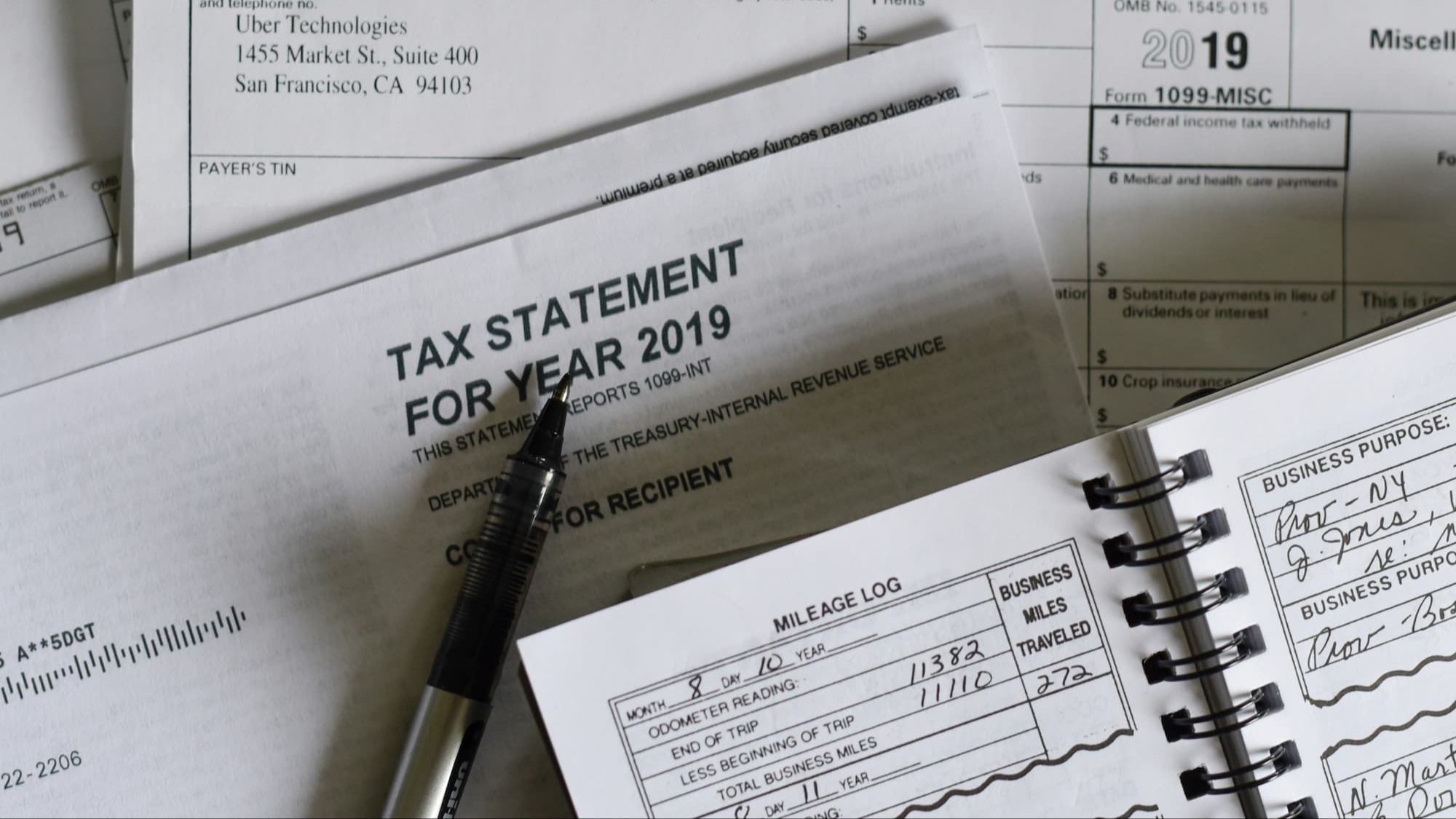
In Mexico, remittances from parents, grandparents, children, grandchildren or a spouse are exempt from ISR at any amount. From anyone else, they are exempt up to about MXN 128,454 a year. If gifts total more than MXN 600,000, you must report them.
Mexico received USD 47,164 million in remittances from January to September 2026, 2.1% more than a year earlier, according to Banxico. Most are sent by relatives, and that defines how the SAT treats them.
Below: when a remittance is taxed, with worked numbers, and what to keep in case you are asked.
Most remittances are gifts. Article 93, section XXIII, of the Income Tax Law exempts them as follows:
From your spouse, parents, grandparents or other direct ascendants: exempt at any amount.
From your children, grandchildren or other direct descendants: exempt at any amount, as long as you do not give or sell what you received to another descendant.
From anyone else (siblings, uncles, friends): exempt up to 3 times the annual UMA, about MXN 128,454.45 in 2026. The excess pays ISR.
The law still says "minimum wage", but since the 2016 deindexation that reference is calculated with the UMA (MXN 117.31 a day in 2026).
Received in the year | Exempt | Excess | Approximate annual ISR |
MXN 100,000 | 100,000 | 0 | 0 |
MXN 200,000 | 128,454.45 | 71,545.55 | MXN 4,124.86 |
MXN 300,000 | 128,454.45 | 171,545.55 | MXN 15,399.23 |
Calculated with the 2026 annual tariff in Annex 8 of the Miscellaneous Tax Resolution, assuming no other income. In practice, the excess is added to your other income for the year in your annual return.
Even if exempt, you must report in your annual return gifts, loans and prizes that together exceed MXN 600,000 in the year (article 90 of the Income Tax Law).
Banks report to the SAT cash deposits totaling more than MXN 15,000 a month (article 55). Transfers are not part of that report, but the SAT can ask you to explain where your income comes from.
Keep the transfer receipts and something that shows who sends you the money. If the SAT asks, that proves it is a gift.
If what you receive is payment for your work for clients abroad, it is not a remittance: it is taxable income. We cover it in receiving money from abroad and taxes.
Since January 1, 2026, the US charges a 1% tax on transfers abroad paid with cash, a money order or a cashier’s check. The sender pays it and the transfer company collects it. It does not apply when paid from a bank account or with a US-issued card (IRS Notice 2025-55).
Transfer to your bank: you need your CLABE and, in some cases, the bank’s SWIFT code. The bank applies its exchange rate.
Money transfer companies (Western Union, MoneyGram, Ria): collect cash with official ID. The cost depends on the amount and the country of origin.
Payments from clients in dollars or euros: If you get paid by clients abroad, ARQ gives you your own US and EU account details to receive payments in USDs and EURc. On the Standard plan, each international payment costs USD 3 or EUR 3.
Sources:
Income Tax Law, articles 55, 90 and 93 (current text on mLey), checked on November 27, 2026.
SAT, Annex 8 of the 2026 Miscellaneous Tax Resolution and INEGI, UMA.
Banco de México, remittance inflows January to September 2026.
IRS Notice 2025-55 on the 1% remittance transfer tax.
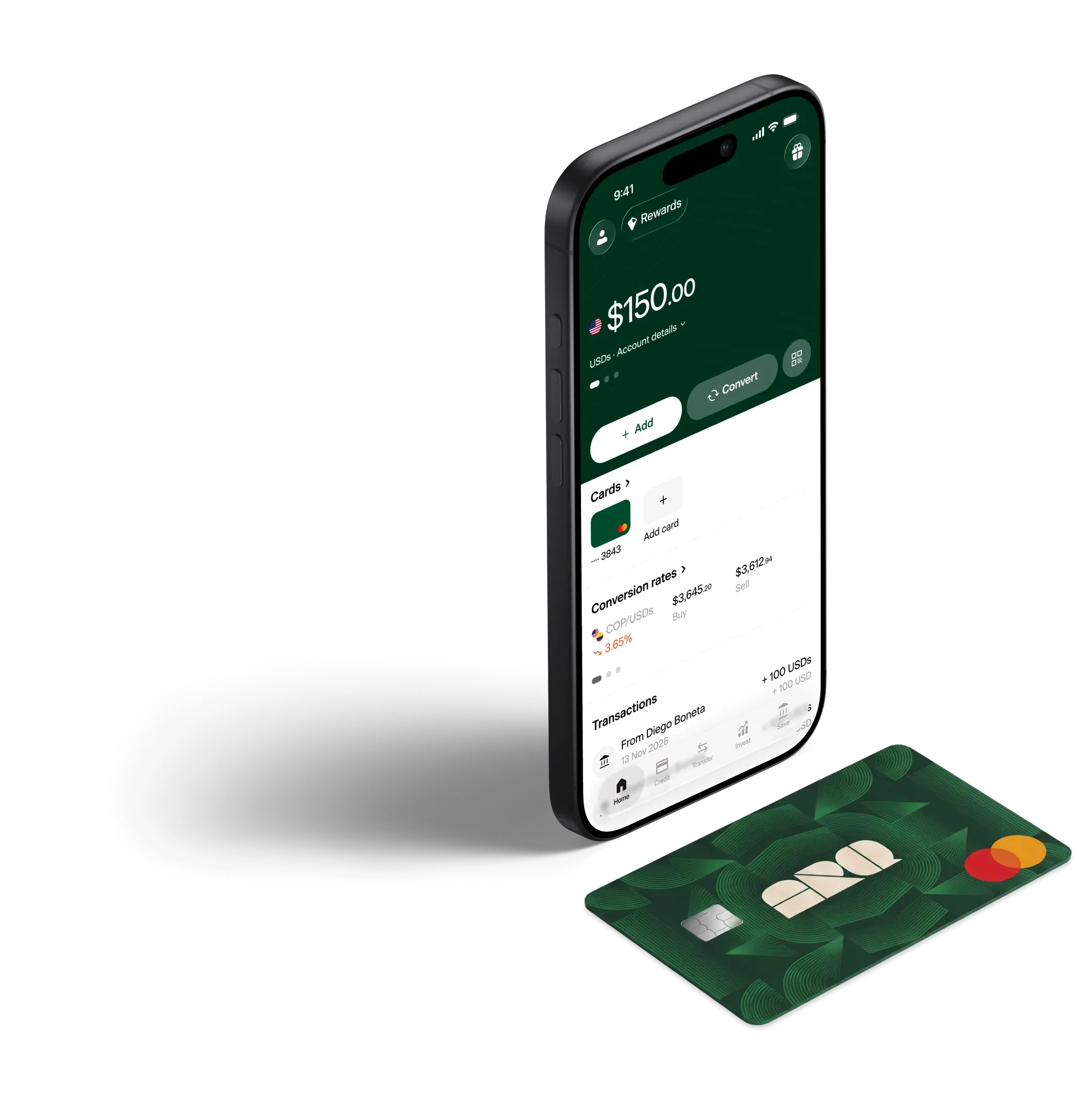
Get digital dollars and digital euros in seconds, at real market rates. Without hidden fees.
What comes out of a gross salary in Mexico (ISR and IMSS) and a 2026 step-by-step example: from MXN 20,000 gross to what you take home.

What financial institutions are, their types in Mexico, who supervises them and how to check that one is authorized before you hand over your money.

What a CLABE is, what each of its 18 digits means, how the check digit is calculated and how it differs from IBAN and SWIFT codes.
Scan the code and join ARQ.
2 million people around the world already manage their finances with ARQ.