In 2026, the cheapest currency in the world by face value is the Iranian rial (IRR), followed by the Lebanese pound. Its weakness is tied to international sanctions, multiple exchange-rate tiers, and persistent inflation.
The world's cheapest currencies reflect economies facing serious challenges. Among them, the Iranian rial ranks as the lowest in value, notable for its weakening against the US dollar amid international sanctions.
That is why the Iranian rial tops our list today, followed by the Lebanese pound and eight other currencies. We also explain how the cheapest currencies are identified and the reasons why they lose their value.
The World’s Cheapest Currencies: Which Is the Lowest?
How Is the World’s Cheapest Currency Determined?
It is determined by evaluating its exchange value against more stable currencies, such as the euro or the dollar. This reflects the currency's ability to purchase goods and services on the international market.
Currency devaluation usually occurs due to a number of factors, such as poor economic management or high inflation. Conditions like these reduce confidence in the currency, causing a sharp drop in its value against stronger currencies.
Therefore, the cheapest currency is the one that requires the most units to equal a stable currency.
Iranian Rial: The World’s Cheapest Currency
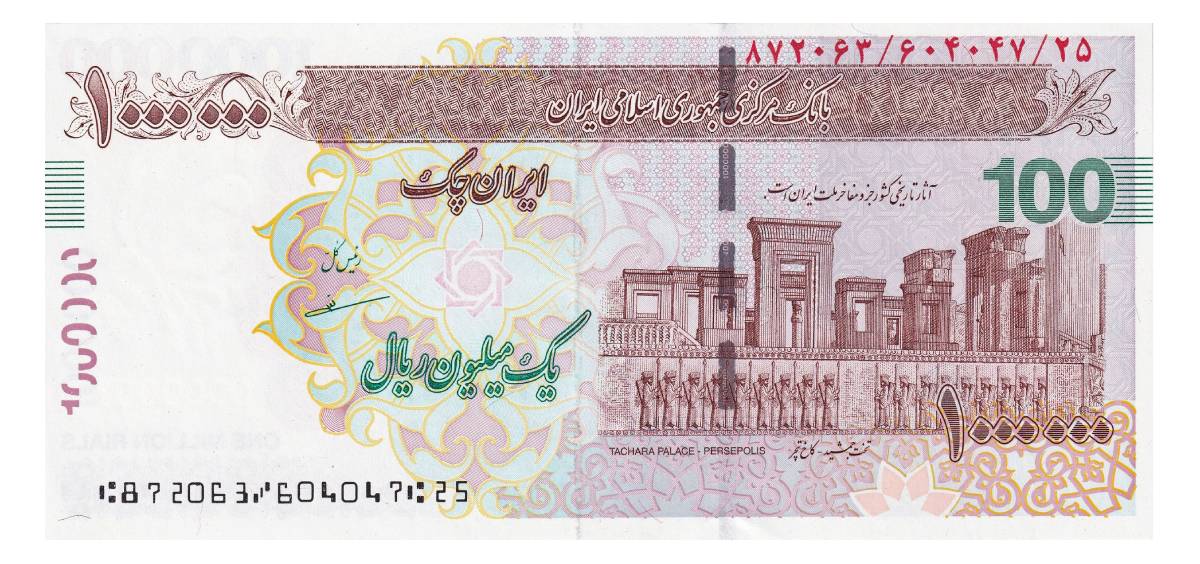
The Iranian rial (IRR) is the currency of Iran, an economy that has operated under international sanctions for decades. As a result, it currently has the lowest nominal value of all global currencies.
This is largely driven by sanctions that restrict Iran’s oil exports and cut the country off from major parts of the global financial system, compounded by persistent double-digit inflation.
Iran also operates several parallel exchange rates at once: a subsidized official rate for essential imports, an intermediate rate on its Electronic Trading System (ETS), and a much weaker open-market (street) rate. The gap between these rates has widened over time, and the government has periodically announced plans to unify them without fully doing so.
Why is Iran’s currency the cheapest?
Unlike the world’s most expensive currency, the Iranian rial has the lowest nominal value of any currency in 2026 when measured against the US dollar on the open market. That is the main reason it ranks as the cheapest currency today.
However, it is important to note that certain factors have contributed to this, such as:
Decades of international sanctions restricting oil exports and banking access.
Multiple, diverging official and open-market exchange rates.
Persistent double-digit domestic inflation.
Limited access to the international financial system, including SWIFT.
Heavy dependence on informal channels to trade oil and access foreign currency.
Repeated, so-far-unsuccessful attempts to unify the exchange-rate system.
It should be noted that these factors combined have weakened the Iranian rial for decades, with the gap to its open-market rate widening further in recent years.
Which Is the Most Devalued Currency in the World in 2025?
If we talk about the currencies that have suffered the greatest percentage loss against the USD in 2025, the list is different.
Here is a list of the five most devalued currencies in the world in 2025:
These currencies have experienced significant depreciation in value against the dollar during 2025. However, this depends on the period and the exchange rate used (official or parallel).
Top 10 Cheapest Currencies Worldwide
Below is a ranking of the 10 cheapest currencies in the world and the reasons behind them.
1. Iranian Rial
The Iranian rial tops the list, weighed down by international sanctions that limit trade. Political instability and persistent hyperinflation are also reasons for the significant deterioration in its value.
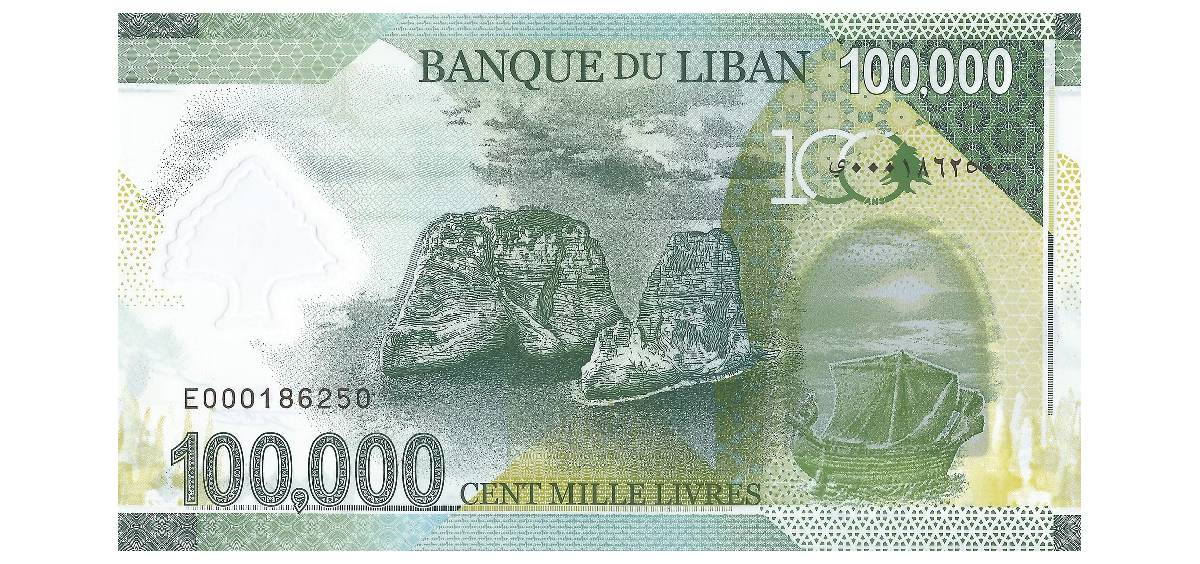
2. Lebanese pound
The Lebanese pound follows closely behind, weakened by a combination of factors that have affected its value against the dollar, namely the financial collapse and prolonged recession that triggered runaway inflation.
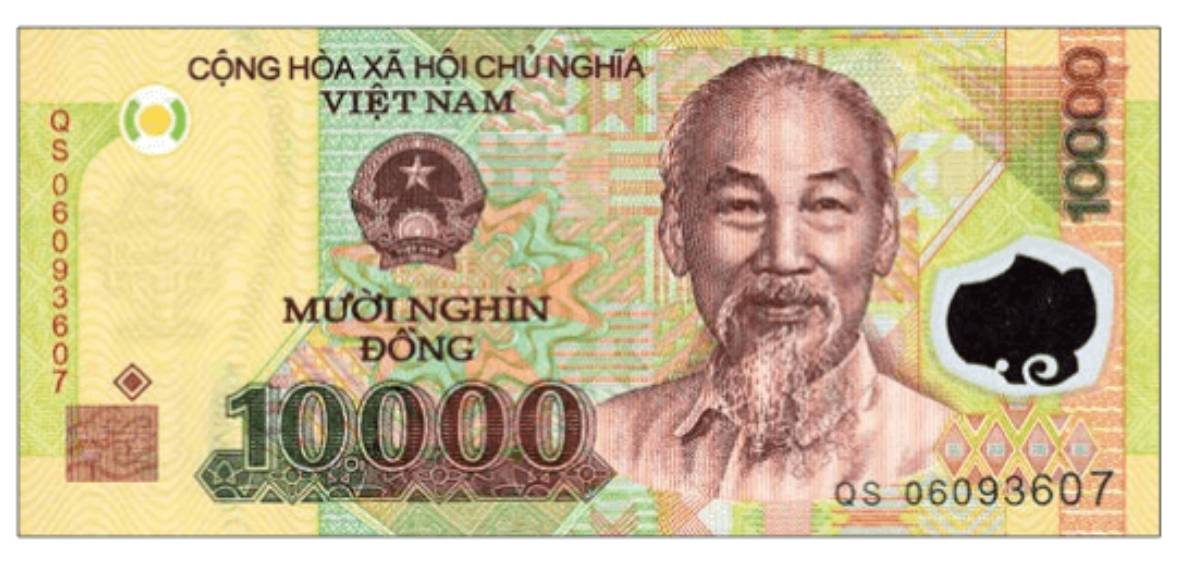
3. Vietnamese Dong
The Vietnamese dong, Vietnam's currency, is among the cheapest currencies despite its economic growth. This is due to the slow transition to a market economy and barriers to attracting foreign investment.
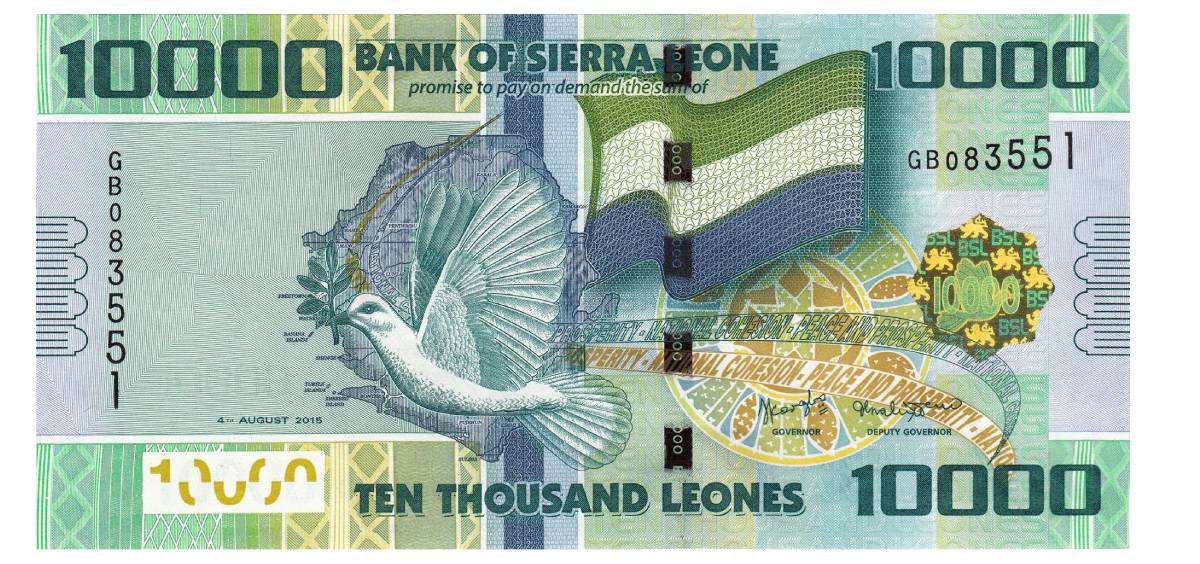
4. Sierra Leonean Leone
Serious economic and social challenges in Sierra Leone have weakened its currency. Dependence on mineral resources, healthcare crises, and high inflation have accelerated the leone’s devaluation.
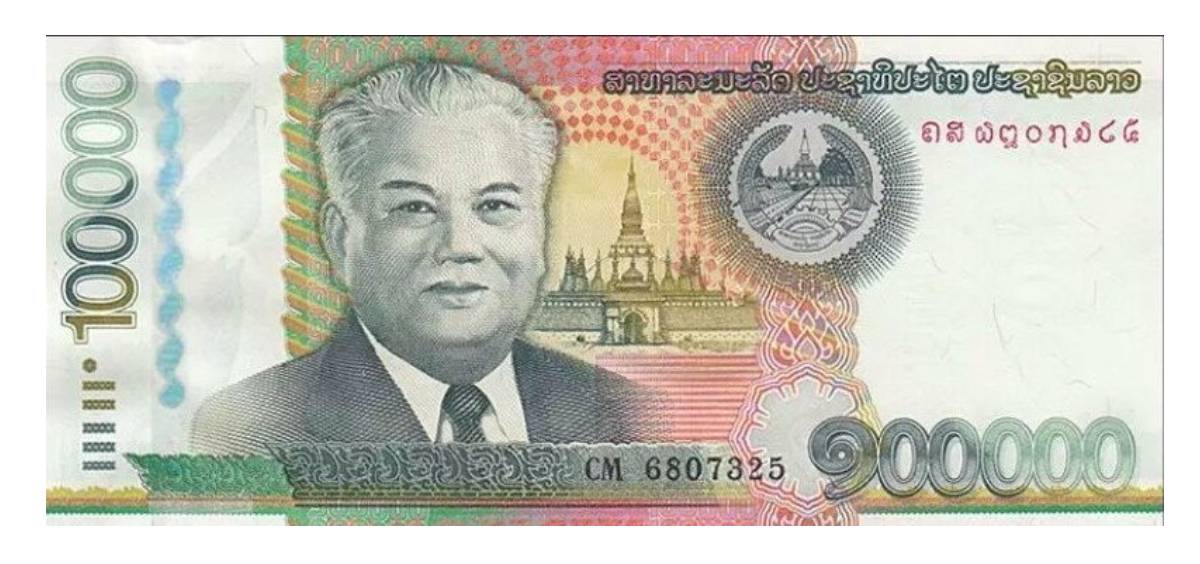
5. Lao Kip
The Lao kip’s decline is driven by a low level of foreign investment and reliance on resource exports. This is exacerbated by persistent inflation and limited trade volumes.
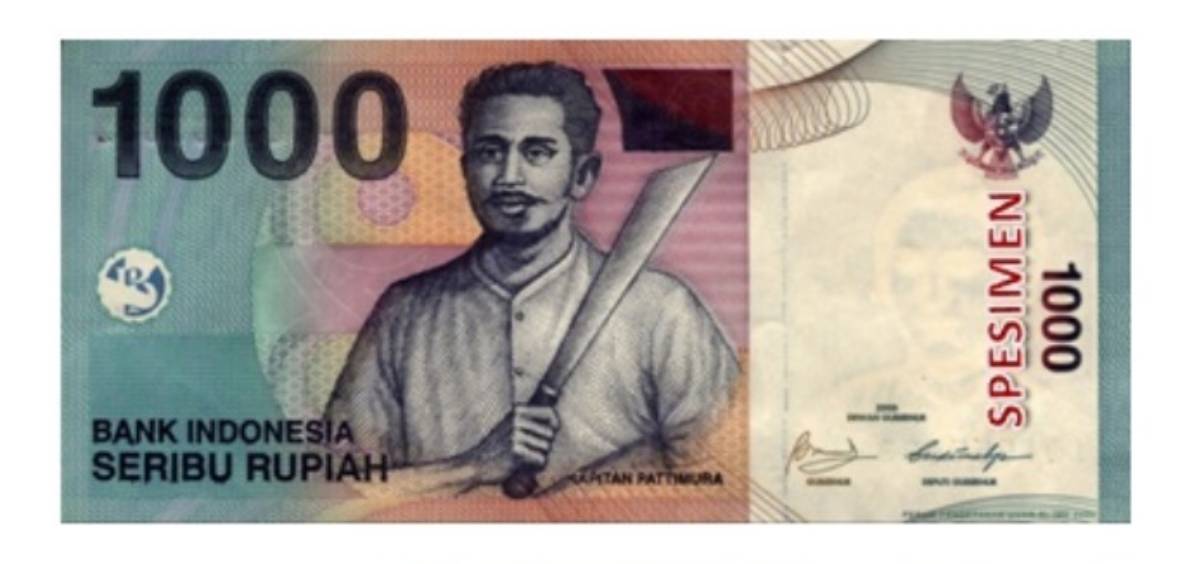
6. Indonesian Rupiah
The rupiah faces pressure from Indonesia’s heavy dependence on commodity exports and shrinking foreign currency reserves, along with substantial vulnerability in external investments.
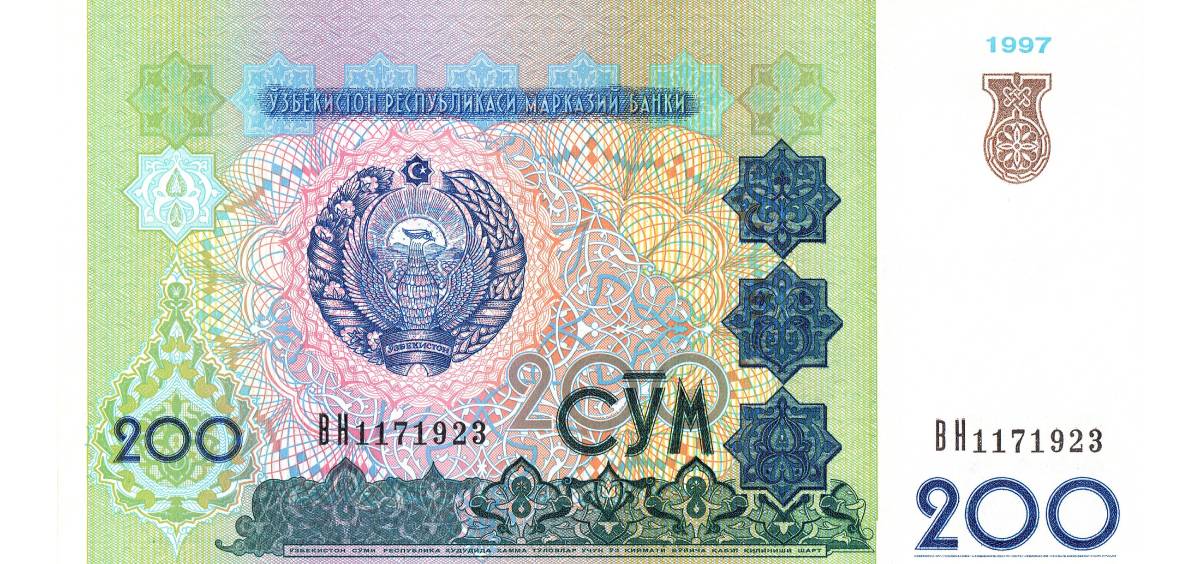
7. Uzbek Som
The Uzbek som is one of the cheapest currencies due to a transitioning economy with inadequate reforms. A weak industrial base and structural issues such as inflation and unemployment worsen the situation.
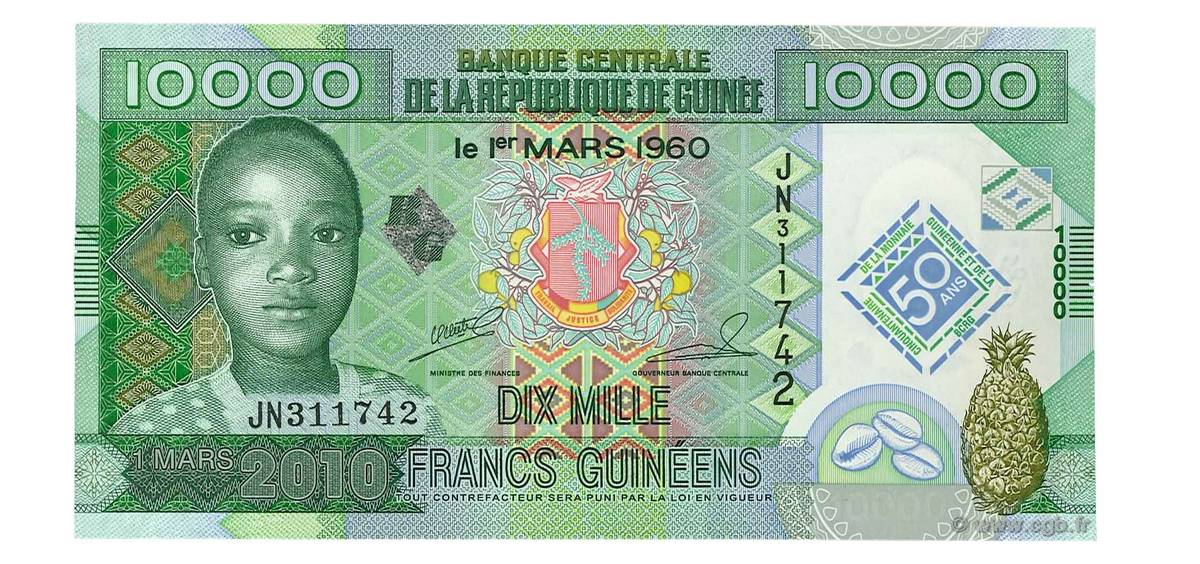
8. Guinean Franc
Various combined factors keep the franc among the world’s weakest currencies. Recurring political instability, unfavorable socioeconomic conditions, and poor management hamper Guinea’s sustainable growth.
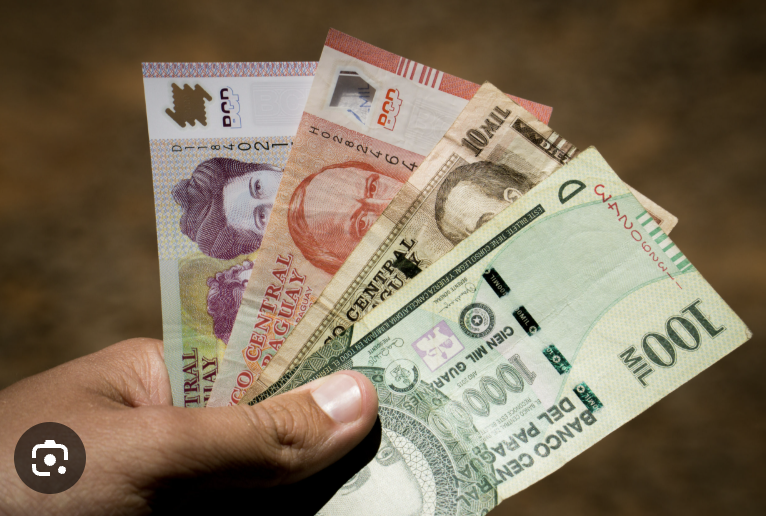
9. Paraguayan Guaraní
The guaraní has had a low unit value since it was introduced in 1943, and Paraguay has never redenominated it by cutting zeros. Paraguay’s economy is relatively stable, but its reliance on agricultural commodity exports leaves it exposed to swings in global prices.
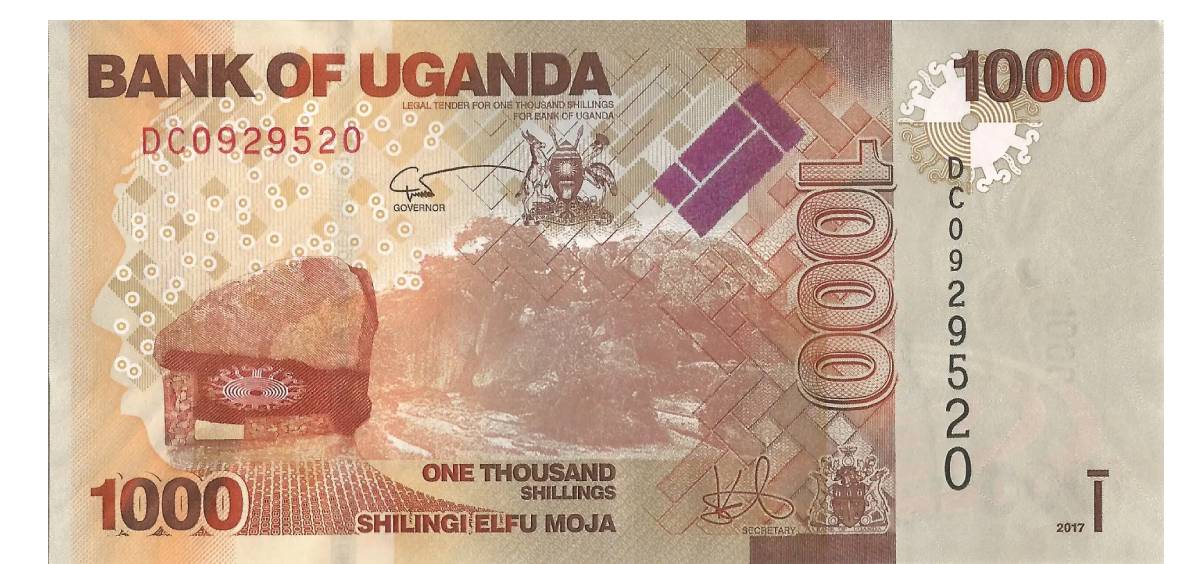
10. Ugandan Shilling
Its weakness stems from exporting goods of low added value, along with an agriculture-dependent economy. Inflation and price swings also affect its stability.
The Cheapest Currencies and Their Value in USD:
Currency
Code
Country
Value per unit in USD
1. Iranian Rial
IRR
Iran
1 IRR = $0.000000570 USD
2. Lebanese pound
LBP
Lebanon
1 LBP = $0.000011173 USD
3. Vietnamese Dong
VND
Vietnam
1 VND = $0.000038712 USD
4. Sierra Leonean Leone
SLL
Sierra Leone
1 SLL = $0.000043533 USD
5. Lao Kip
LAK
Laos
1 LAK = $0.000044885 USD
6. Indonesian Rupiah
IDR
Indonesia
1 IDR = $0.000055099 USD
7. Uzbek Som
UZS
Uzbekistan
1 UZS = $0.000084431 USD
8. Guinean Franc
GNF
Guinea
1 GNF = $0.000113186 USD
9. Paraguayan Guaraní
PYG
Paraguay
1 PYG = $0.000172801 USD
10. Ugandan Shilling
UGX
Uganda
1 UGX = $0.000236463 USD
Approximate values based on ExchangeRate-API reference rates of October 27, 2026. Rates change daily, and in countries with multiple exchange rates, such as Iran, the official rate can be very different.
Why Do Currencies Lose Value?
Currencies lose value both from internal issues and global factors, and decisions can also impact confidence in their stability.
Key reasons behind this phenomenon:
Inflation. When a country’s inflation exceeds that of its trade partners, its goods and services become more expensive and less competitive, thus weakening its currency.
Instability. Political crises generate uncertainty and distrust among investors, leading to capital flight that pushes down the currency’s value.
Trade balance deficits. If a country imports more than it exports, the demand for foreign currency grows, weakening its own currency.
Low interest rates. These can reduce foreign investment due to lower returns.
Speculation. Negative perceptions about a currency can spark massive sell-offs in the markets, accelerating devaluation.
Moreover, external factors can trigger sudden depreciations, such as a global crisis, commodity price shifts, or natural disasters in the country.
Where Does Your Money Go Furthest?
A cheap currency doesn’t mean a cheap trip. What matters is the cost of living: lodging, food and transport at the destination.
Among the countries on the list, Vietnam, Laos, Indonesia (Bali) and Paraguay generally have a lower cost of living than many Latin American cities. Iran and Lebanon face crises and sanctions, so check your government’s travel advisories before considering them.
Conclusion
The world’s cheapest currencies share similar traits, though each case has its nuances. If you look closely, high inflation, certain economic policies, or dependence on vulnerable economic sectors are common. But there are other factors as well, such as fluctuation in commodity prices, that contribute to their depreciation.
So it’s a mix of internal and external problems.
Despite their low value in global markets, these currencies remain in use in their local economies. Everyday transactions, like writing checks or sending money transfers, persist.
If you get paid by clients abroad, ARQ lets you receive payments from the US and Europe with your own account details, in USDs or EURc, and convert them to your local currency when you want, seeing the cost before you confirm.
FAQ
What is the cheapest currency in the world?
The currency with the lowest nominal value per unit in 2026 is the Iranian rial, trading at roughly 1,750,000 IRR per USD on the open market (its official rate is considerably stronger, reflecting Iran’s multi-tier exchange system). The Lebanese pound follows in second place, at around 89,500–90,000 LBP per USD.
What is the most expensive currency in the world?
The Kuwaiti dinar (KWD) continues to top the list of most expensive currencies in 2026. This has been the case for a long time thanks to the country's stable exchange rate regime and solid oil revenues.
Your bank would hate if you saw our rates.
Convert pesos to digital dollars or digital euros in seconds, at real market rates. Without hidden fees.