Freelancer tips
5 Platforms to Create Comparison Charts Online, Free Plans
Canva, Visme, Miro, Piktochart and MyMap.ai for comparison charts: what each is good for and what you can download without paying.
Santiago SanchezNovember 27, 2026

Effective communication means getting an idea across so the other person understands it as intended and can act. With clients, that means saying what you need, by when and in what format, and confirming it was understood.
Effective communication means your message is understood the way you meant it. If you work with clients, it shows in concrete ways: fewer back-and-forth emails, deliveries without misunderstandings and on-time payments. Here is what it is, its elements, how it differs from assertive communication and examples of messages rewritten to be clear.
It is sharing an idea clearly so the receiver interprets it as intended and can respond or act. It depends on choosing the channel, the timing and the level of detail, not only on speaking well.
Sender: who sends the message.
Receiver: who receives and interprets it.
Message: the idea to convey.
Channel: the medium, such as a call, email or chat.
Code: the language or signs both understand.
Context: the situation where it happens.
Feedback: the reply that shows whether the message was understood.
Clarity: simple ideas, no ambiguity.
Specifics: dates, amounts and owners instead of "soon" or "later".
Active listening: real attention and confirming what you understood (guide).
Consistency: tone and body language say the same as the words.
Respect and assertiveness: disagree firmly without aggression.
Effective communication aims for the message to be understood without confusion. Assertive communication focuses on stating opinions and needs with respect and firmness; it is one tool within effective communication. For example, say "I see your point; here is another way to look at it" instead of "You're wrong".
Unclear message | Clear version | What changed |
"I'll send the draft later." | "I'll send the logo draft on Thursday before 12:00 (Mexico City time). I need your feedback by Monday to meet the delivery on the 12th." | Date, time with time zone and what the client must do |
"Shall we look at it?" | "Could you review the attached proposal (2 pages) and tell me whether you choose option A or B?" | A concrete request with closed options |
"That change isn't included." | "That change wasn't in the agreed scope (2 rounds of edits). I can do it as an extra at this cost and timeline; if that works, I'll add it to the schedule." | Reference to the agreement and an alternative |
"There's a problem with the payment." | "I haven't received payment for invoice 014, due on the 20th. Could you confirm the date it was sent and the account used?" | A verifiable fact and a one-line question |
Define the goal before writing: what decision or answer you need.
Pick the channel: chat for quick things, email for agreements that must be in writing, video calls for nuanced topics.
Confirm agreements in writing after a call: dates, deliverables and price.
Ask to clarify instead of assuming.
Mind nonverbal cues on video calls: posture, eye contact and tone.
Nonverbal cues matter: a 2021 study by Burgoon and colleagues in Frontiers in Psychology automatically measured the facial expressions, head movements and voices of 379 players in a group game and related them to how others perceived their dominance, trust and composure.
If you get paid by clients abroad, ARQ gives you your own US and EU account details to receive payments in USDs and EURc. On the Standard plan, each international payment costs USD 3 or EUR 3.
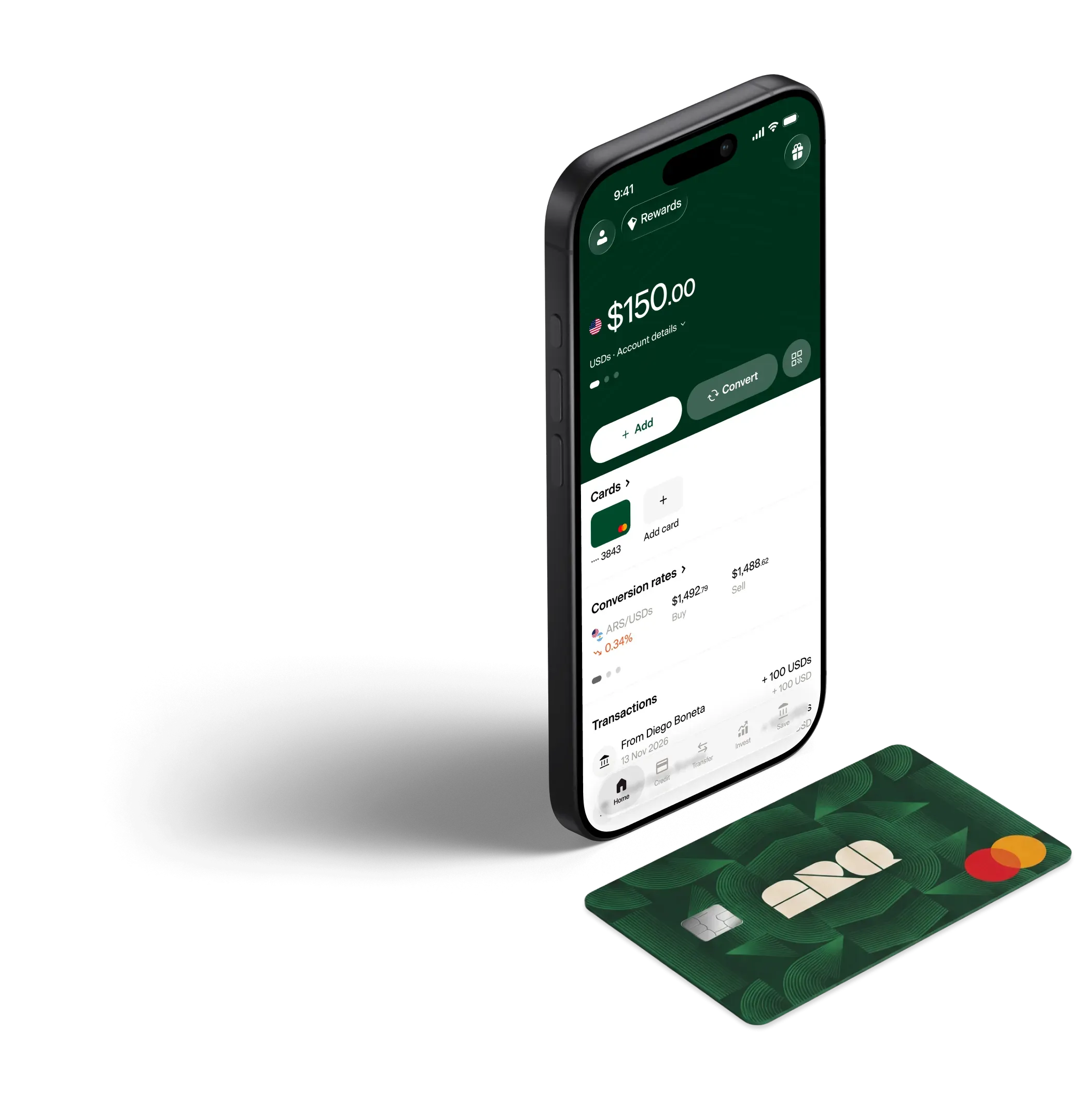
Convert pesos to digital dollars or digital euros in seconds, at real market rates. Without hidden fees.
Canva, Visme, Miro, Piktochart and MyMap.ai for comparison charts: what each is good for and what you can download without paying.
We compare Google Password Manager and LastPass on encryption, sync and plans, and show how to move your passwords from one to the other.

What Trello is, what its free plan includes in 2026 (10 boards and 10 collaborators per Workspace) and a client board you can copy.
Scan the code and join ARQ.
2 million people around the world already manage their finances with ARQ.