How to Recover SAT Certificates: Your Simple Guide
Did you know you can retrieve your SAT certificates in just a few steps?
Staying organized with your tax documents is essential for freelance success.
But what if you lose them or they expire?
Don't worry! This guide has all everything you need to know.
We'll cover the different types of SAT certificates freelancers use, their purposes, and most importantly, how to recover them if needed.
What is an SAT certificate and why do you need it?
The SAT certificates freelancers use are digital credentials issued by Mexico's Tax Administration Service (SAT): the e.firma and the Digital Seal Certificate (CSD). They are not the same as the constancia de situación fiscal or the opinión de cumplimiento, the documents that show your tax status and whether you are up to date.
You use the e.firma to sign filings and procedures with the SAT, and the CSD to stamp your electronic invoices (CFDI).
The SAT certificate might not be a day-to-day necessity for every freelancer, but it can be a powerful tool in specific situations.
How do SAT certificates work?
SAT certificates work through a system called public key cryptography.
Each certificate them contains two keys: public and private.
Public Key: This key is widely available (anyone can use it) and it's used to encrypt information and verify the authenticity of electronic documents.
Private Key: This key is kept strictly confidential by the taxpayer. It's used to decode encrypted information and digitally sign documents, so you can prove they came from you.
In short, this system keeps your tax information both private and tamper-proof.
Classification of SAT certificates
As a freelancer in Mexico, you should be aware of the two main SAT certificate types: the Digital Seal Certificate (CSD) and the e.firma, both of which have the same three elements:
The public key, identified by the extension .cer
The private key, recognized by the extension .key
The password of the private key, which is determined by the taxpayer
And although these two types of certificates work together, they have a difference that lies in how they're both used.
The Digital Seal Certificate (CSD) acts like a digital stamp specifically for issuing electronic invoices.
The e.firma offers a wider range of functionalities, so you can perform various online procedures with legal validity.
Recovery of SAT certificates: Your step-by-step guide
Now you know what the SAT certificate is, its types, and how it works. So, what happens if you lose these documents?
Good news: there are processes to get them back, so we'll break down the steps for each of them.
What you can recover, and where
If you lost… | Where to recover it | Password needed? |
Your e.firma .cer certificate | SAT Certificate Recovery System | No, your RFC or serial number is enough |
Your digital seal (CSD) .cer certificate | Certificate Recovery System or CertiSAT | Not in the recovery system; CertiSAT asks for your e.firma |
The private .key file or its password | Not recoverable: apply for a new e.firma with an appointment at SAT | Yes, you must go in person with ID |
Your SAT password | SAT ID, or with your e.firma on the portal | Depends on the method |
SAT's Certificate Recovery System is the page most "certificate recovery" searches are looking for. It only returns the public .cer file; the private part of your signature is never stored by SAT.
How to recover your Digital Seal Certificate (CSD)
To recover your CSD, just follow these steps:
Access the SAT's CertiSAT application.
Log in with your electronic signature, including the certificate (.cer), the private key (.key), the password of the private key, and the RFC.
Once on the website, look for the "Certificate Recovery" option.
Select the search method, either by RFC or serial number.
View the list of available certificates.
Click on the certificate you want to recover.
Download the certificate.
How to recover your e.firma
If you can't log in to CertiSAT, you can still download the e.firma certificate (.cer) from the SAT's direct download page.
This means you can download the e.firma certificate quickly with just the RFC or serial number, without any additional authentication needed.
To recover your e.firma certificate, just follow these steps:
Access the certificate recovery system.
Search, using the RFC or serial number of the certificate.
Enter the image code.
Click “search”.
Choose the e.firma certificate by clicking on the serial number.
Downloading a certificate (.cer) again is free and needs no login, because the certificate is public. The private key (.key) and its password stay only with you: if you lose them, the SAT cannot recover them. In that case you need a new e.firma at an SAT office, by appointment, with an original official ID, an email address and a USB drive, according to the SAT.
How to recover your SAT password online
Forgotten or lost your SAT password? Don't worry, you can recover it online, quickly and easily:
Visit the SAT web portal.
Click on the yellow "START" button.
Enter and confirm your RFC, then click "Continue".
Select “Yes, I want to update my password”.
Log in with your RFC, current password, or e.firma data (private key and certificate).
Enter your current password and generate a new one with at least 8 alphanumeric characters (Note: RFC as a password isn't allowed).
Confirm your new password and click "Continue".
Download or print your password update receipt and click "Finish".
Since your password is essential for performing different online procedures and actions, it's worth writing it down and keeping it in a safe place.
What if my SAT certificate expires?
If any of your SAT certificates expire, all you need to do is renew them — here's how.
For individuals with expired electronic signature:
Visit the SAT ID app.
Log in with your expired electronic signature and the scan of the INE in PDF format.
Enter your RFC, the file of the INE, and the video the app requests to confirm your identity.
At the end, you'll receive a link from the SAT to generate the certificate renewal.
Follow the link to obtain your .REQ file.
Upload the .REQ file to the CertiSAT web to get your tracking number.
Download the new certificate in .CER format.
For legal entities with certificates about to expire (or already expired):
Visit the Certifica app (formerly known as SOLCEDI).
Log in with your RFC and expired electronic signature.
The app will generate a .REQ file and another .KEY file.
Go to the CertiSAT website, click on "Renew certificate" and upload the .REQ file.
The SAT will provide you with a tracking folio and the new certificate in .CER format.
For those who prefer to visit the SAT offices:
While recovering certificates online is convenient, you also have the option to visit your local SAT office in person. Before heading there, be sure to:
Visit the SAT website and click "Offices" to find your nearest location.
Prepare the required documents for certificate recovery.
Schedule an appointment through the SAT portal to avoid waiting.
On your appointment day, arrive promptly and clearly inform the staff about your certificate recovery request.
The staff may provide details about certificate delivery timelines and methods. Make note of these instructions before leaving the office.
For those who prefer SAT telephone support
You can also contact SAT support by phone — their staff is trained to help you recover your certificate with or without a password.
They can also give personalized guidance show you the steps you need to follow according to your situation.
Remember, the certificate recovery process may differ depending on your specific situation.
For the most accurate and up-to-date information, it's always best to contact SAT directly — they can help with information unique to your circumstances.
Frequently asked questions
What if I lost the USB with my e.firma?
Download the .cer again from the Certificate Recovery System. The .key file can't be recovered: if you have no copy, apply for a new e.firma with an appointment at a SAT office. If your e.firma expired less than a year ago, individuals can renew it with SAT ID.
How much does it cost to recover an SAT certificate?
Nothing. Downloading the .cer from the recovery system is free and needs no login.
Can I recover my certificate with just my RFC?
Yes. In the recovery system, choose search by RFC, type the image code and it lists the certificates issued to you, with their status (active, expired or revoked).
For Mexican freelancers, staying on top of your SAT certificates is essential.
Not only does it ensure compliance with fiscal obligations, but it also strengthens your professional standing.
Having valid certificates allows you to easily support financial transactions, maintain accurate records, and demonstrate responsible financial practices — all key factors for success in the freelance world.
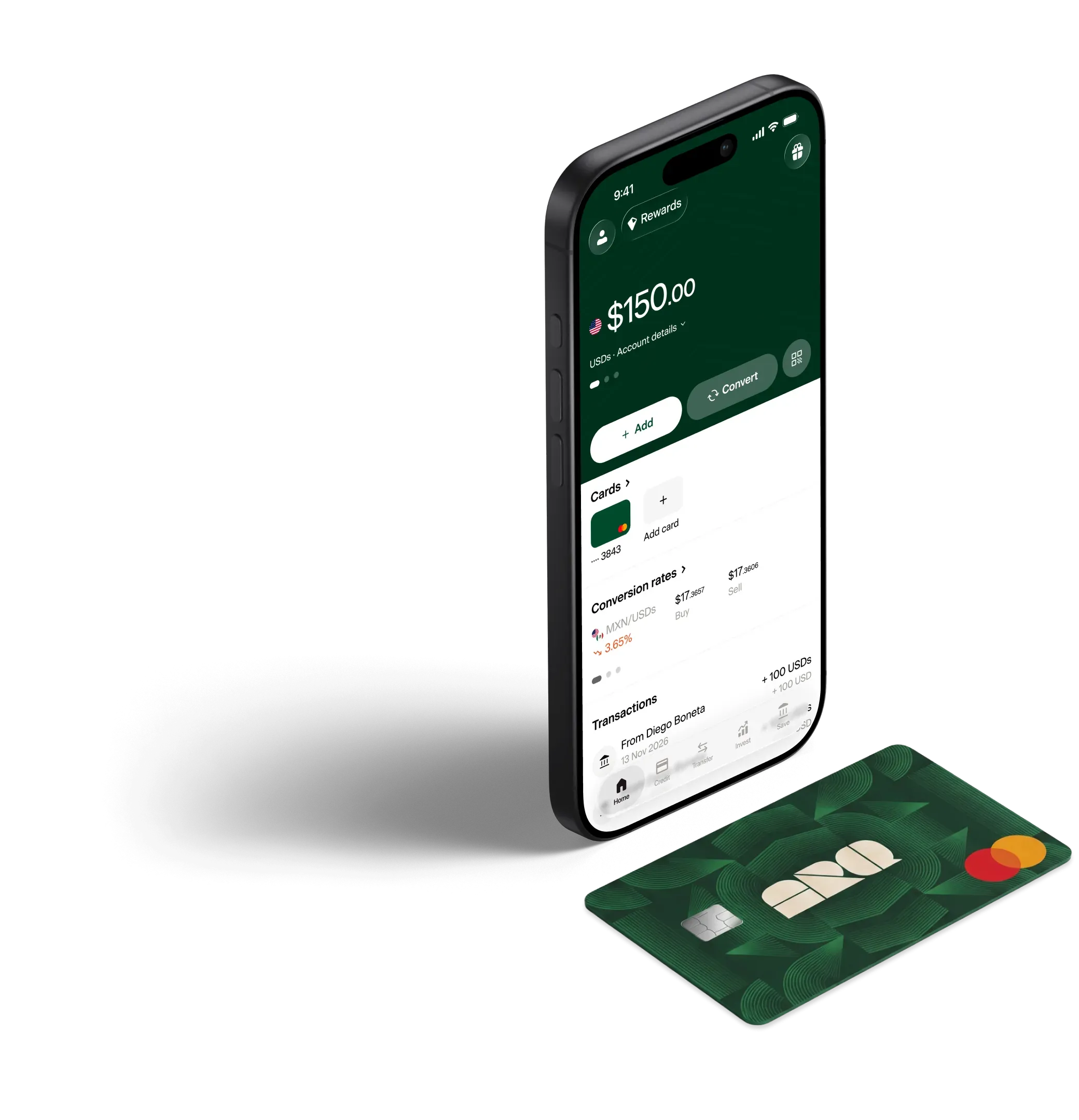
ARQ gives you your own account details in the United States and Europe to receive international payments in USDs and EURc; each international payment costs US$3 or €3 on the Standard plan. Its secured credit card, backed by your ARQ balance, works wherever Mastercard is accepted.